The short answer is: fewer than you think, and far fewer than your camera roll will offer you.
The longer answer is that "how many photos" is really two questions — how many per page, and how many pages — and they pull in opposite directions.
A starting formula
For a 20-page book, this is a good first draft:
| Kind of book | Photos per page | Total photos |
|---|---|---|
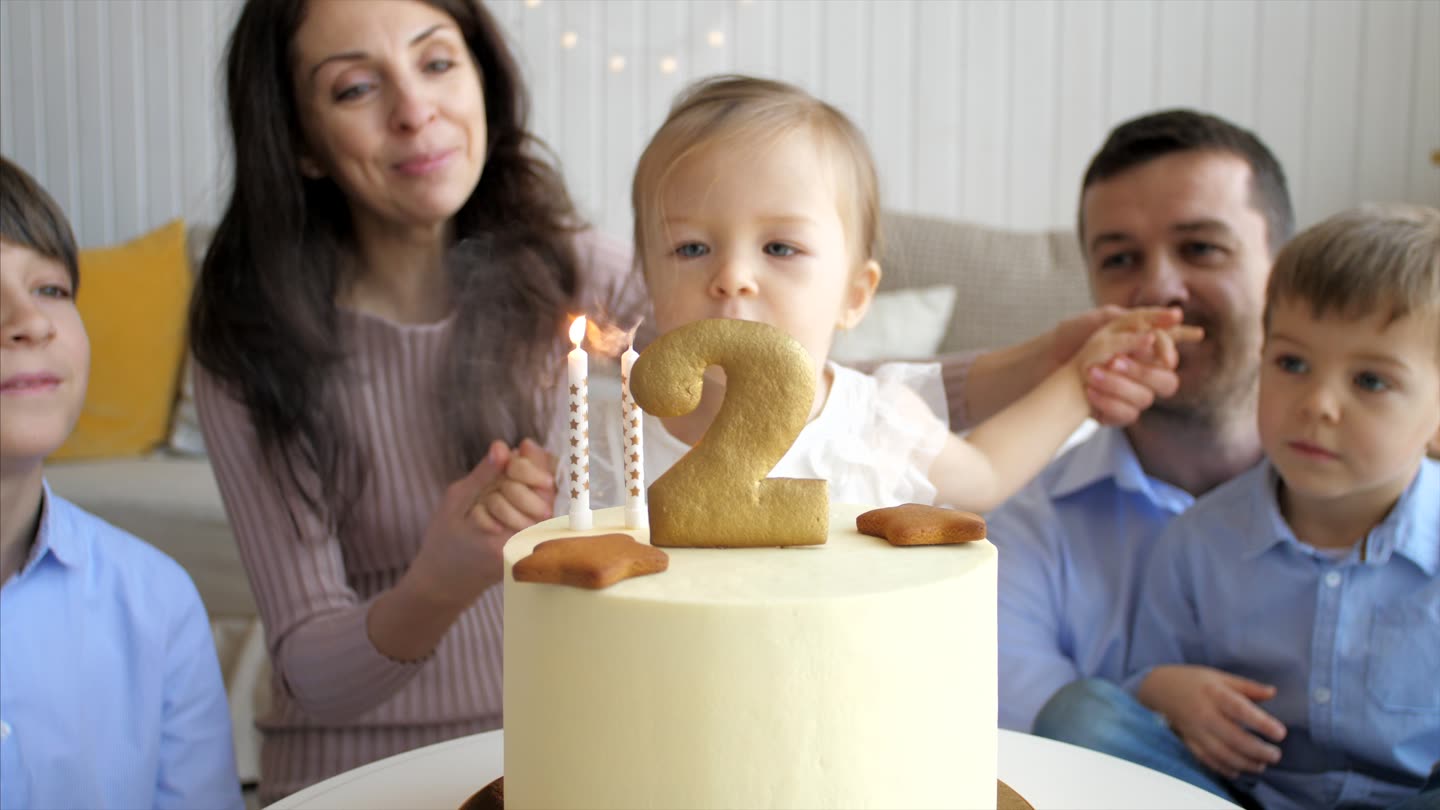
| A single event (a wedding, a birthday) | 1–2 | 25–40 |
| A trip or a season | 2–3 | 40–60 |
| A whole year | 3–4 | 60–80 |
Treat those as a ceiling, not a target. Almost every book we've seen improves when someone takes another ten photos out.
Why fewer works better
A photobook is not storage. Nothing in it needs to be complete, and completeness is exactly what makes a book feel like homework. Three things happen when you thin a book out:
- Each photo gets read. At six-up, a reader scans the grid and turns the page. At one-up, they look.
- The story gets clearer. Gaps let a reader infer, which is more involving than being shown everything.
- The object feels considered. A tight 20-page book reads as a decision; a 90-page book reads as an export.
When to break the formula
There are real reasons to go denser:
- Contact-sheet spreads. A deliberate grid of twelve small frames — the whole party in one page — works precisely because the rest of the book isn't like that.
- Sequences. Four frames of the same jump, in order, are one photograph told across time.
- People books. For a book whose job is "everyone who was there", coverage genuinely is the point.
The difference between a dense page that works and one that doesn't is intent. If you chose the density, it reads as design. If it's just what fit, it reads as a dump.
How this maps to a Nokoru book
Nokoru books start at 20 pages on heavyweight paper, in A5 or A4, and you can add pages as you build — so it's worth planning at 20 first and adding only where a photo earns it.
The other number to plan is the moving ones. Each tier includes a set number of living moments — printed photos paired with the short video behind them — and you don't need one on every page. Pages without a video are simply printed photographs, and a book where a handful of pages move tends to land harder than one where everything does. Pick the moments where the motion is the memory: the candles, the first steps, the walk down the aisle.
If you're still at the "which photos at all" stage, our method for editing a book down is the place to start.